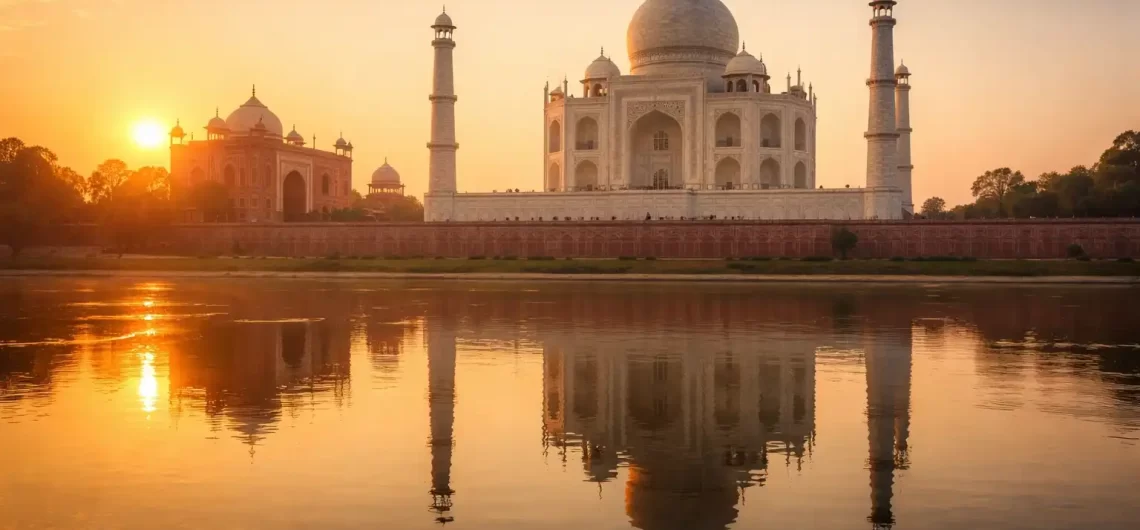
Introduction


India is the most diverse travel destination in world. With a plethora of attractions from historical landmarks and royal residences to bustling markets and religious sites, there is no shortage of things to do in the country. But, at the same time, one huge and culturally diverse country can sometimes come across as intimidating, especially for foreign tourists who are in Russia for the first time. This is exactly where professional travel companies as well as private driver tours come in extremely handy.

A dependable travel firm aids travelers in proper route planning, logistics, and gaining more knowledge about the destination. These tours allow travellers far more flexibility and comfort, and there are also experiences that add layers of local knowledge that can be most of the trip.

Reasons for the Popularity of Private Driver Tours in India


Tourists who like to travel privately love to take private driver tours. In contrast to fixed group tours, private driver tours enable voyagers to move at their own pace on an interest-based based touring.

The roads of India bind thousands of historical cities, heritage sites, and cultural regions. Travelers can easily visit different attractions with a driver and planned routes, reducing the stress of finding transport or reading maps.

When they travel with a driver-guided tour, visitors can also easily visit such hidden places of culture, local markets, and traditional quarters that are not always found in classical travel guides.

Why You Should Select A Travel Company For Professional Services


A well travel agency becomes an important part of seamless travel experience. Set for incorporating costs of transportation, lodging recommendations, guided sightseeing, and planning for travel as those organizations handle different parts of the journey.

Only veteran travel agencies know what the tourists expect, in terms of what and how to see these exotic places, and if travel is smooth-on-point or bumpy at best. They have years of training experience helping travelers work around common problems like figuring out transportation, language barriers, and changing itineraries.

Likewise, backed with trained drivers and licensed tour guides, travel companies are there to offer them incredible information about the culture, history, and traditions of India.

Long-Range Travel: Comfort and Safety


Most of India’s tourist destinations are separated from different cities. In between them, you need steady transport and drivers who know road conditions and local routes.

Tours with private drivers ensure that travelers travel comfortably between the cities like Delhi, Agra, Jaipur, and heritage destinations. Trucking experts know all the best routes, rest stops and sites to see on the way.

Having comfortable vehicles and experienced drivers is crucial for ideal, safe and stress-free travel.

Private Driver Touring the Golden Triangle


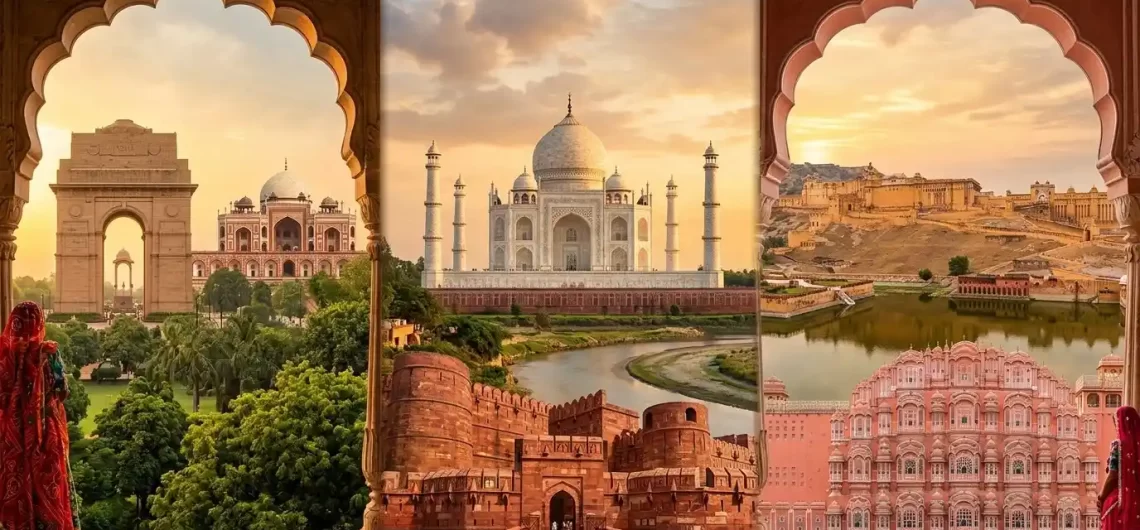
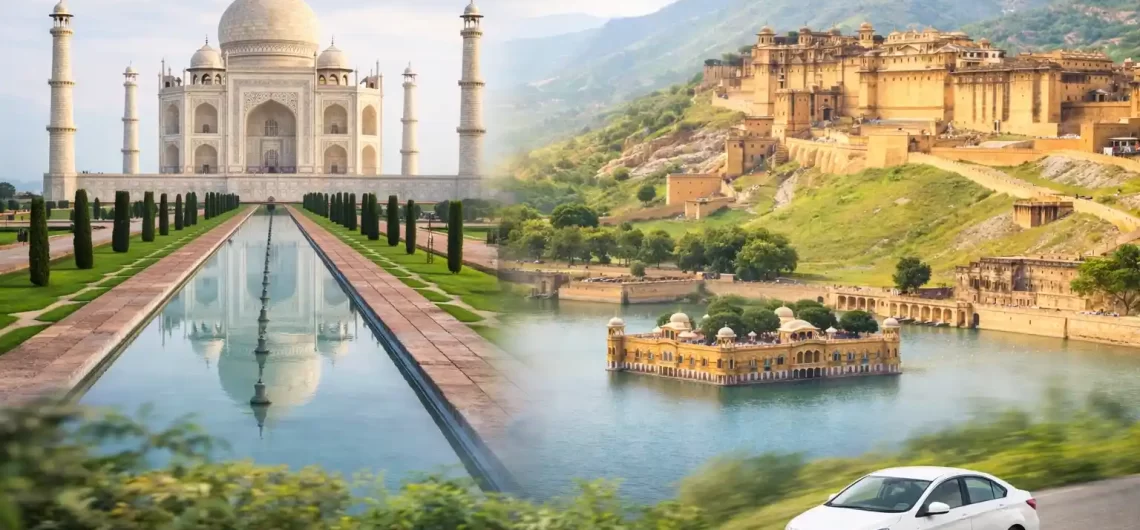
The Golden triangle connecting Delhi, Agra and Jaipur, is one of the most popular travel routes in India. International tourists especially seek this route because it covers Mughal architecture, royal palaces, and colorful culture as winning themes.

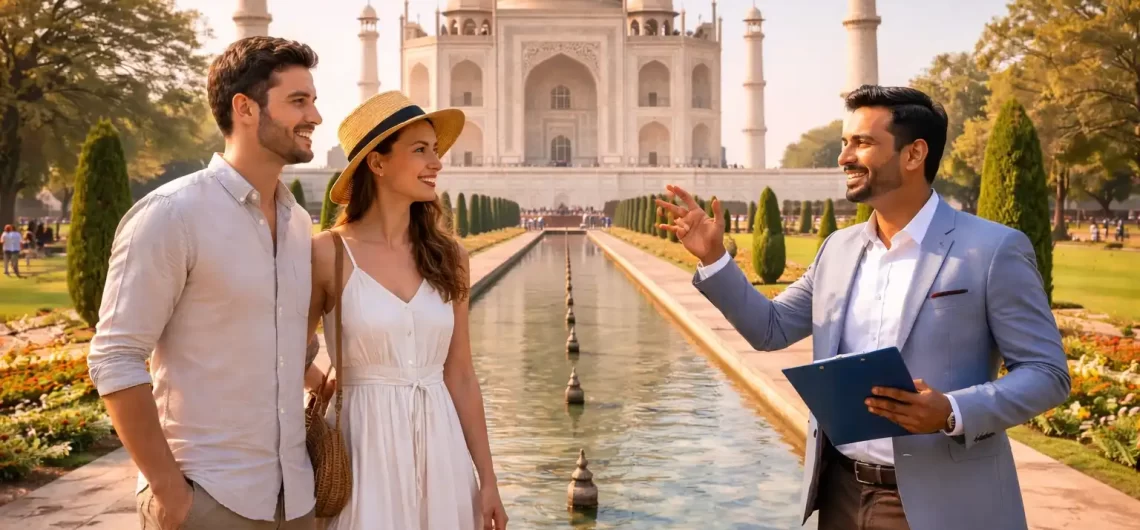
This is perhaps the biggest appeal of the private driver tour, allowing travelers to navigate the destinations without being herded through a series of frenetic group itineraries. All these further provide ample of time for the visitors at some of the iconic landmarks like Taj Mahal, Agra Fort, Amber Fort, City Palace, etc., along with tailored travel arrangements.

The trip between the two cities is also interesting enough, which adds a sense of history to the overall trip.

Discovering Authentic Cultural Experiences


Visitors to India can also experience the real India while they are travelling with a proper driver and guide. Local drivers know places like small restaurants and traditional markets, places that are not generally publicized by travel brochure.

They provide the opportunity for travelers to live life in the shoes of a local, sample regional cuisine, and get a glimpse of the cultural practices of the regions. These moments leave indelible marks on travel experiences that are more than about just seeing the sights.

Furthermore, to create a time flexibility, you can leave the untouched places without finishing the big time.

Most of the time experienced travel agencies play a role of keep it simple travel services provider.


A travel journey mostly relies on the trustworthiness of the travel agency arranging your tour. Reputable travel companies often carefully craft itineraries to maximize city exploration with as little discomfort as possible.

Professional travel planners aware of the timely matter when visiting certain monuments or places where thousands of people gather. They guide travelers to avoid the peak hour of tourists and provides a more laid-back exploration.

Travel agencies offer 24/7 travel support, meaning travelers will receive support whenever they are in need of.

TAJ ROYAL TOUR AND PRIVATE TRAVEL EXPERIENCES


We which really can be Royal Taj Tour an Agra small private travel operator specializing travel around North India, they have new and comfortable car, which give their visitor a memorable experience of their trip by providing hassle free trip by private driver tour in all over North India.

Agra, which is home to one of the most important monuments in the world the Taj Mahal, is part of the itineraries of every traveler coming to the country. A travel agency that exists in a city with so much historic richness generally grows a wealth of over time central to the major cultural sites they will tour you.

Through melding local knowledge with professional travel planning agencies such asRoyal Taj Tour facilitate exploration of India tours packageshighlights with the wish to encouraging visitorcomfort and improved understanding.

Conclusion


India has absolutely everything in its travel offerings to be a land of wonders, but so much of exploring its cultural heritage and geographical diversity takes a little bit of savvy. Private guided tours have become the most convenient and most flexible way to experience a country with its great cultural monuments, colourful towns and cultural traditions.

Traveling with a professional travel company should guarantee safe drives, structured itineraries, and local knowledge. They become indispensable to ensure that international tourists, who may be coming to India for the first time,

North India is reputed to be among the classic and personalized travel destinations with appropriate plans for those travelers that would seek for serviced based through royal taj tur, the services provide access to some of the most renowned those dedicated to private driver tours of guided attractions.


Introduction

About India: India is one of the most colorful and cultural countries in the world with a very rich heritage, historical monuments, unique tradition, and diverse environment. The best introduction to India for first-time travelers — a once-in-a-lifetime sweep through the centuries, traversing the sizzling cities of Agra, Delhi, and Jaipur, packed with history and architecture. This trio of cities is known worldwide, together they create the famous Golden Triangle touristic circle of the world, the most travelled travel circuit in the whole country.

This suits best for private tours amid Indian history and heritage the royal palaces, majestic forts, and cultural landmarks can be explored at ease. The monumental Mughal architecture of Agra, the historical landmarks of Delhi, and the grandeur of royal grandeur of Jaipur — the Golden Triangle Tour is a showcase of the essence of India heritage and traditions.

Golden Triangle: The Trending Travel Circuit of India

The Golden Triangle route covers the three historically rich cities present in North India. Every destination is a different chapter of Indian history, an opportunity to witness architectural brilliance, traditional shopping, and cultural experiences.

The land of the journey consists of the capital city Delhi, and Agra is the illustration of Mughal splendour, though Jaipur, evolution of the Rajput royal legacy of Rajasthan. The short travel distances between these cities make the Golden Triangle route perfect for private tours and short travel itineraries.

Travelers can visit ancient monuments, royal forts, lively cultural hubs and experience the different traditions that characterize India.

Delhi: Where History Meets Modern India

Delhi is a city that has both ancient history and modern-day character intertwined together. It holds a stunning collection of Mughal monuments, colonial architecture, and modern urban landscapes – the capital of India!

Old Delhi is home to heritage sites like the Red Fort and Jama Masjid, monuments that epitomise the splendour of the Mughal Golden Age. The small alleyways of Chandni Chowk will take tourists back to the original bazaars and food culture that existed for centuries.

New Delhi provides a changed view of the city, from wide boulevards and government buildings to India Gate and Humayun’s Tomb. Each of these architectural landmarks represents the city during a different period of history

Delhi is historically the first halt for North India Tourists due to its exceptional culture and energy.

RECOMMENDED: Agra: The City that Stood the Test of Time with Mughal Architecture

Agra is one of the top destinations in India that millions of people visit every year. Famous for the Taj Mahal, a UNESCO World Heritage Site and one of the Seven Wonders of the World, the city is a great place to visit.

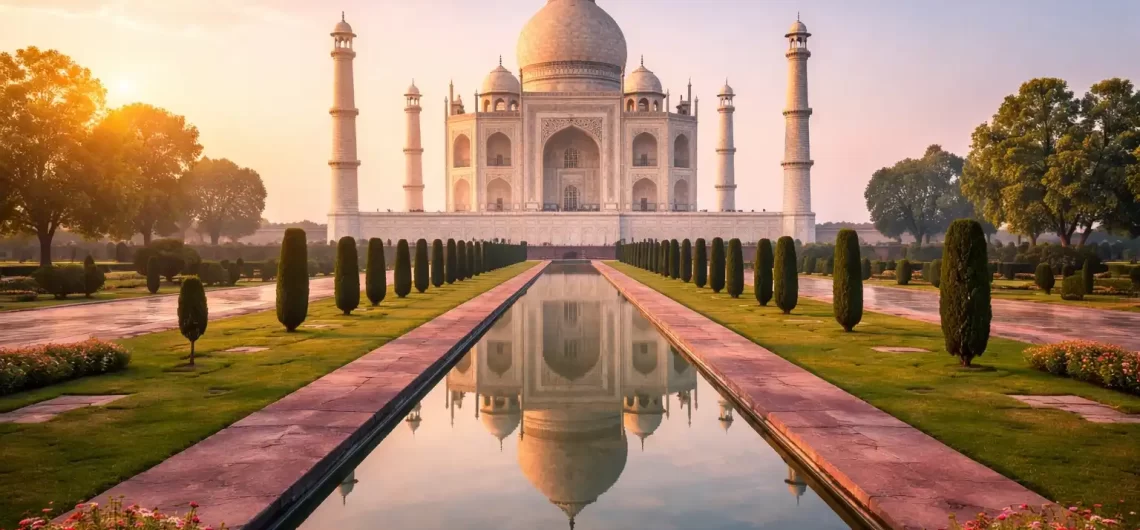
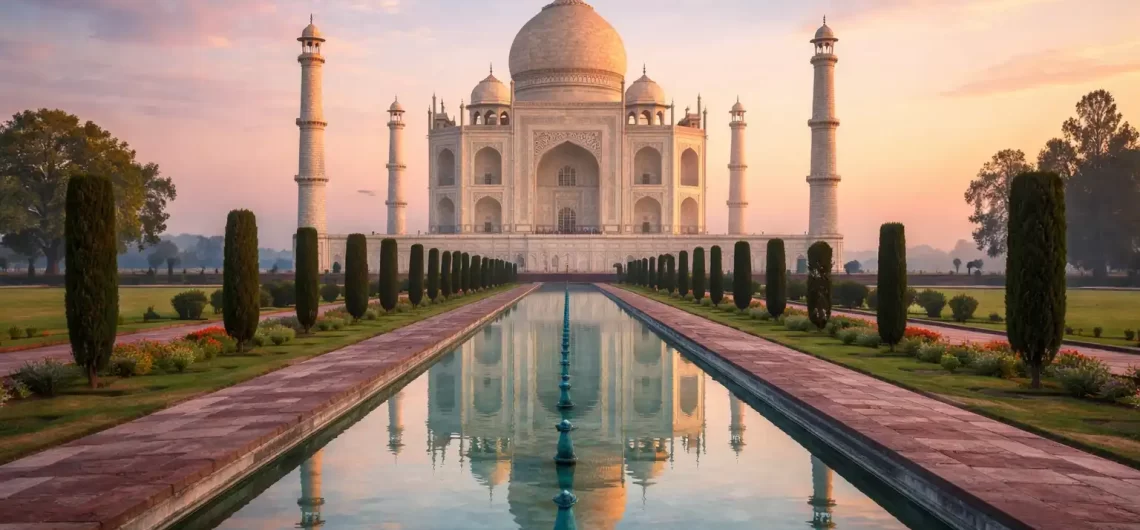
The Taj Mahal, built by Mughal Emperor Shah Jahan in memory of his wife Mumtaz Mahal, is the jewel of Muslim art in India and one of the universally admired masterpieces of the world’s heritage. Differently reflective at different times of day, the marble monument often perceived by visitors as being magical.

Agra Fort, a large red sandstone fort that was once home to Mughal emperors, is also one of the other main attractions of Agra. Explore the palace-feel fort with its impressive halls, courtyards, and balconies into how the Mughal dynasty royalty lived.

Another stop for many travelers is Mehtab Bagh, a garden complex on the opposite side of the Yamuna from the Taj Mahal that provides brilliant sunset views of the iconic building.

Jaipur, Royal Pink City Of Rajasthan

Jaipur, the capital city of Rajasthan, is popularly known as the Pink City because the color of the historic buildings there is a peculiar kind of pink. Jaipur was founded in 1727 by the Maharaja Sawai Jai Singh II and is known for its royal palaces, large forts and lively markets.

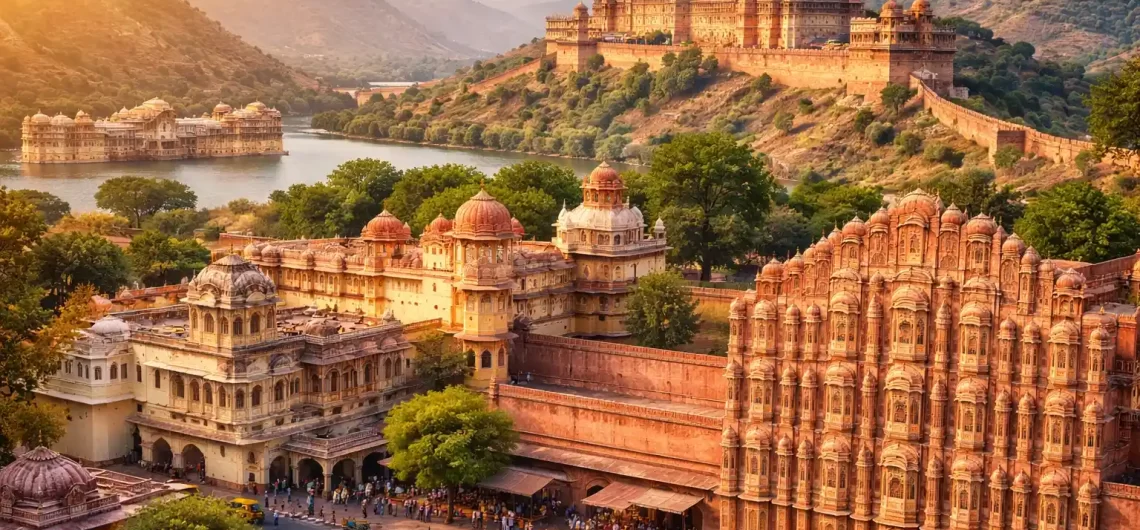
Amber fort is one of the most famous places of Jaipur. The fort stands on a hill overlooking Maota Lake, and boasts marble courtyards, trellis of mirror work and regal gates, testament of Rajput architecture.

The City Palace is another major one of the royal attractions, an impressively largge complex of royal museums and ornately decorated courtyards. It has a character of both Mughal and Rajasthani architecture.

Another iconic structure located in jaipur is the Hawa Mahal, which is known as the Palace of Winds. Hundreds of tiny windows on its honeycomb-shaped facade allowed royal women to watch from the upper levels as street festivals took place without anybody knowing they were there.

If you are a traveler interested in handicrafts, jewelry, textiles, and traditional Rajasthani souvenir, Jaipur colorful bazaars draws you to it.

Why it is Better to go for a Private Tour

Private tours will give travelers the flexibility, comfort, and personalized travel experiences. Private travel means tourists visit sites based on their own schedule and interests and not on that of a group tour.

Travelers can stick around at monuments that intrigue them the most without adhering to the strict schedules of large tour groups. The convenience and comfort factors of every city-to-city travel are also big advantages of private transport.

Because many guided private tours offer insight into historical sites, tourists will discover stories about the monuments, architecture and cultural significance at each landmark they visit.

Many travelers find that private tours provide a more relaxed and immersive experience while visiting the iconic sites in India.

Cultural Experiences Along the Journey

The Golden Triangle route, apart from monuments and palaces, narrates a bigger cultural canvas. They experience the typical bustling markets, regional foods, and often centuries-old craft skills by local craftsmen.

In Delhi there are street markets filled with spices, thick embroidered textiles and rich handicrafts for sale, and Agra as well is heavily known for its marble inlay work of the type you might see at Taj Mahal. The bazaars of Jaipur are teeming with colourful clothes, jewellery and Rajasthani handicraft.

This way, tourists can see into the heart of cultures, and of day-to-day lifestyles in India.

Conclusion

A private tour of Agra, Delhi, and Jaipur is an phenomenal trip into the records, culture, and architectural talent of India. The Golden Triangle is the trio of Indian cities — Delhi, Agra and Jaipur — that embody not just varied landmarks but also eras of Indian civilization.

Exploring Delhi before witnessing the Taj Mahal at dawn and then heading to Jaipur to see some beautiful palaces along the way, the journey is a photogenic slice of Indian history. For those travelers looking for comfort and convenience — and who are comfortable with the idea of joining a group — prepared tours that include transportation, narration, and arranged days are complimentary.

Royal Taj TourFor the visitors who like to experience these landmark locations and enjoy the ease of a structured journey via the well-arranged Gold Triangle travel create its own individual place among travel solutions throughout India.


Introduction

Agra, One of the most famous historical cities in India where millions of travelers come every year. Famous for its Taj Mahal, Agra is home to beautiful monuments from the Mughal period, ancient architecture and beautiful traditions. Agra is a world famous tourist destination where tourists come from all over the world to see its historical monuments and rich heritage.

But Agra may be a lot for a first-time traveller to take in. Behind many of the capital city’s monuments are complex histories, architectural symbolism, and sometimes surprising stories that are difficult to interpret without a professional guide. And this is the reason so many tourists elect to see the city with a private tour guide who can truly get them to the nuts and bolts of the significance of each spot that they visit.

Private tour guides are not just about enriching your travel experience, they also ensure that you spend the best of your time in the city.

Realizing the Historical Context of Agra

Agra has a historical background related to the Mughal Empire for last several centuries. Many monuments in the city embody remarkable Mughal architectural excellence as it was the capital of Mughal Rulers in the 16th and 17th century.

The Taj Mahal, Agra Fort, Itmad-ud-Daulah — these are not just tourist attractions; they’re history set in stone. These monuments embossed with stories, symbolically carved, and have histories depict the truth fabricated in the past of India.

Tourists may gush over its beauty, but without properly contextualizing the significance of its architecture as well as the significance behind its very history, the essence of these structures is often lost on visitors. With a good royal taj tour operator, these stories come alive, and the context becomes part of the travel experience.

Expert Knowledge About Monuments

Access to Expertise: One of the most significant benefits that you can have when hiring a great tour guide in Agra is that he provides in-depth explainers about history, architecture, and other details of famous landmarks. Professional guides know how to talk about the monuments, they are trained, they explain their historical, cultural and architectural importance in a way that is interesting and easy to digest.

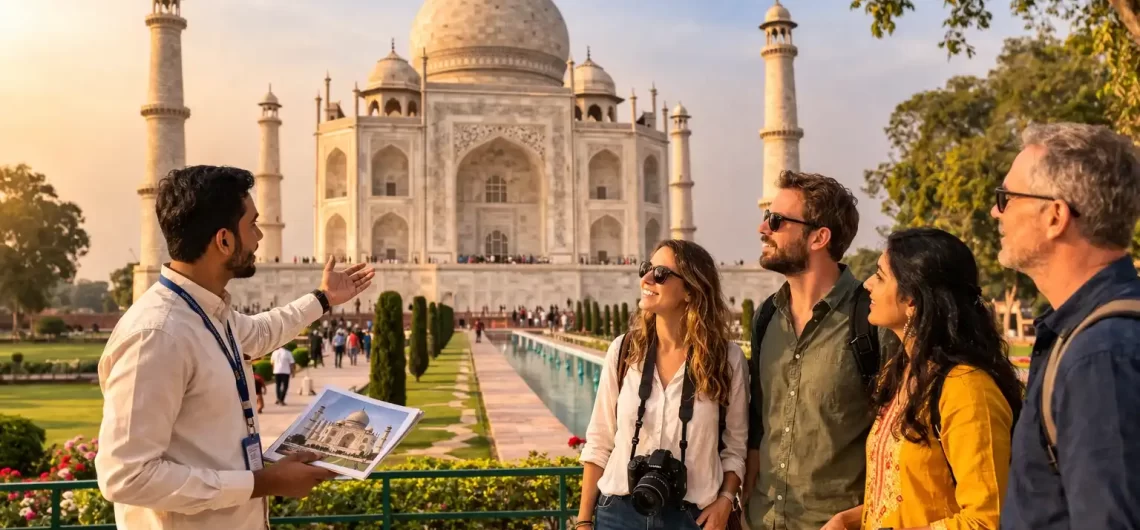
When you visit Taj Mahal, your guide can share the love story of Emperor Shah Jahan and Mumtaz Mahal, how this architectural marvel was constructed, symbolism behind the marbling carvings and calligraphy found inside.

Likewise, Agra Fort, my second stop of the trip, offers great insights into the political history of the Mughal Empire, royal life in the palace and the strategic significance of the Forth during the Mughal rule.

This better comprehension turns a visit from a mere sightseeing trip into a significant historical experience.

Saving Time During Your Visit

Agra is one of the 3 cities of the Golden Triangle and is a common stop for travelers heading towards a short itinerary, often visiting as a day trip from Delhi or from Jaipur. If you have limited time, planning efficiently becomes very critical.

Private tour guides plan travel itinerary of the visitors in such a way that it is very productive. And they know at what times a monument is less crowded, when and how to skip the lines and how to plan secret routes among attractions.

This kind of planning lets the travelers see different sites within a short window of time without any rush or hustle.

They are also there to help tourists in busy touristy places which allows them to enjoy the sites more than the logistics of getting to them.

Cultural Insights and Local Experiences

Agra is not only about Monuments but also on Culture, Traditions, and Local Taste. A local tour guide can tell you those cultural things about the city that you likely cannot experience by traveling by yourself.

Visitors might be led through traditional bazaars where local craftsmen produce marble inlay work, handicrafts and Mughal-inspired art. Guides may also suggest actual restaurants where travelers can enjoy real Mughlai cuisine.

These local insights offer tourists the opportunity of indulging in the true temperament of the city, apart from the amazing landmarks.

Assistance for International Travelers

Traveling in a foreign country has its own set of challenges- new people, culture & language. Private tour guides fill this gap, making it easier for travelers to communicate, navigate and acclimate to local culture.

Guides are usually multilingual and have experience dealing with people from all over the world. They help visitors feel more at ease while exploring the city.

This is really helpful for people travelling Agra for the first time, when they donnot know how to travel without thinking of local transportation or even for directions.

Photography and Best Viewing Spots

Agra — the city that hosts some of the most photographed landmarks in the world Professional tour guide know exactly where and when to click beautifulpictures.

For instance, the Taj Mahal by sunrise and sunset creates excellent lighting for memorable photographs. A guide can be beneficial to get visitors to the best spots for these shots.

Photography lovers usually welcome a guide who knows the shrine or where to get the perfect landscape views.

Enhancing the Overall Travel Experience

Travel is not about places; it is about stories, culture, and tradition. One who bridges the gap between the travelers and the history of the place is a private tour guide.

Guides make for a more involved experience by narrating architectural details, historical events, and cultural practices. This helps in making your visit more entertaining as well as informative.

Travelers who experience these types of tours often feel that it gives them a better understanding of the destinations that they visit.

Exploring Agra with Professional Guidance

Agra based travel agencies also do guided tours by incorporating the transport along with historical knowledge and locality. These services are aimed at ‘comfortably’ exploring the city and learning about its heritage at the same time.

Agra tours that comprise an organized reading by professional guides, arrange conveyance to and from the city, along with the itinerary are some of the preferred among visitors planning a trip to Agra.

Some travelers opt for services like royar taj tour to see the famous monuments of the city. You will get a structured kind of travel plan that comes with expert guides.

Conclusion

Agra is a city of wonders, with abundant history, architecture, and culture. Independent exploration tours are flexible, private guides however provide a deeper travel experience in an organised manner.

Monuments have wonderful stories and history to tell, local city guides can help visitors navigate their way through the streets without wasting precious time and will even share gems of cultural ideas to make the trip even more worthwhile. A guided experience can actually make the trip much more informative and fun — particularly for first-timers.

With the right guidance on Agra, a traveler can understand and appreciate all that the history and culture has to offer which makes Agra a treasure of a city in Ind


Introduction

Agra needs no introduction, an international name, one of the most frequented cities of India; a city adored for its out of this world Mughal heritage and architectural gems. Millions of tourists from around the world flock to the city to marvel at the timeless exodus of the Taj Mahal, Vast forts and the interminable heritage of North India. This is a very common question tourists come across when traveling to Agra is that to explore the city independently or with the help of a private tour guide?

Both approaches offer unique experiences. Yet, some travelers love to be free by experiencing it on their own, while the others wish to join guided tours where they can learn more about the historical and cultural background of the monuments. Knowing the benefits of each option can help travelers select the experience that works best for their travel style.

Understanding Self-Exploration in Agra

Self-exploration means you are traveling out there on your own and are not using a professional guide. This type of travel is enjoyed a lot by tourists as it allows them to roam around freely and explore places they would like in their own pace.

Travelling in Agra is fairly easy since most of the major monuments including Taj Mahal, Agra Fort and Mehtab Bagh are quick to reach, and taxis, auto-rickshaws and ride-sharing services are available to give tourists points to travel from point A to B. Independent travelers may turn to travel blogs, guidebooks or mobile apps when they want to learn something at a site they are visiting.

In addition, a free trip gives the traveler more time at the place he/she is intrigued by most. For instance, photography enthusiasts may opt for this method because it allows more time to play with different angles and result in images.

That said, however, once they are at the monuments, independent travel can, at times, limit the degree to which visitors learn the history behind the monuments.

The Difficulty with Traveling Agra Without a Guide

While it can be thrilling to wander about on your own, some difficulties may come up for brand new visitors. Agra historical sites hold cultural and historical importance, and without the right guides, one will miss significant stories and architectural features.

The Taj Mahal like any other monument is layered with symbolism and history especially of the Mughal Empire. Although this is a beautiful structure, without proper information this may appear to many visitors just as a pretty quirk of architecture rather than an important part of the local spirituality.

Since communication could be a big hindrance, the travel will be a bit difficult for some international tourists, especially in places with different local transport system of their respective home countries. Of course, many busy tourist areas will have unofficial guides or sellers and confusion can arise with tourists who are unfamiliar with the country.

Advantages of Using A Private Tour Guide

Having a local and an expert guide around always helps — Hire a local private Tour guide! First of all, the licensed professional guides know how to explain every historical event, architectural detail or cultural tradition in a fun and informative way.

An informed guide can turn a mere visit to a monument into, what they call, a storytelling journey. When learning about the Taj Mahal, for instance, a guide can provide insight into the meaning behind the architectural motifs, share the tale of the Emperor Shah Jahan, and the love story of him and Mumtaz Mahal, or explain the engineering methods used to build a structure with so many intricacies, etc.

They can also helps the tourist to visit over-crowded places you can visit efficiently and ensures that nothing important is missed while you’re on some visit. This is especially helpful during the peak seasons of tourism where busy spots can become crowded places.

Cultural Insights and Local Knowledge

The benefit of traveling with a guide that cannot be found in books or the internet is the cultural insight. For example, local guides will share stories about traditions, local lifestyle, and significant historical experiences that provide depth to the traveling experience.

With guidance from seasoned guides, visitors might also be introduced to real local markets, traditional crafts, and regional cuisine. This association with culture adds more memory to the trip.

However, for those wanting to learn more about India and its traditions, the guided tours make the travel experience more enriching (or at least more economically viable).

Time Efficiency for Short Trips

Most tourists visit Agra for a brief stay, often as a day trip from Delhi. In those situations, managing the time you take becomes crucial.

Private guides also manage your sightseeing in an effective manner by determining the best possible routes, suggesting the most ideal times to view certain sites, and ensuring that travelers avoid time wasted at unnecessary sites and with hassle. It enables visitors to cover multiple attractions within a short span of time.

Chani EXERCISE: Guided tours are especially useful for travel novices who want to make the most of their visit and not stress about logistics or navigation.

For First-Time Visitors, Which Is Probably The Better Option?

Whether to book a private guide or to explore on their own — is often up to the traveler and their level of travel experience. More seasoned travelers, who like to discover places at their own pace, might appreciate doing their own exploration of the city.

But first-time visitors generally have a richer experience with a guide as it provides a more structured and comprehensive outing. All of Agra’s monuments seem like open history books which read even better when someone who knows the region inside and out is the one explaining it.

While self-guided methods have their perks, guided tours can be stress-free because you will not have to worry about figuring out transportation, especially for local practices of which travelers from other countries may not be familiar with.

How to Experience Agra With Top Tour Services

This is the reason why many travelers opt for a guided Agra tour as it includes the historical knowledge along with the convenience of transport and the comfort of traveling. Tours generally consist of transport, monument guidance, and support during the entire experience, which also makes the experience enjoyable.

Travel agencies in Agra specialize in showcasing the fifteen wonders of the city professionally, by providing touristic nuances to tourists with incredible tour planners. Guided travel experiences are frequently seen as a practical proposition for visitors wanting to experience hitting the earth and the dynamism of the city without the stress of the logistics.

Due to this, travelers visiting Agra often prefer the trusted services of royal taj tour which offer structured travel experiences to make sure travelers experience the maximum in the most comfortable fashion when visiting the primary sites of the well-known city, that represent nothing less than the country itself.

Conclusion

On your travel journeys, you are sealed in the past structures, traditions, and the work of art models Agra brings to the table. Between solo expeditions to tour guides, the city offers far too much for vi.sitors to leave it without memories and sights that are difficult


Introduction

Generally, tourists travelling in north India with some time in hand wants to explore more than one ancient city during their trip. The Taj Mahal in Agra and the Pink City of Jaipur constitute the classic golden triangle of Indian tourism, and offer fascinating insight to some of the most vibrant, royal and architectural aspects of the country. Though Agra is well-known for its Mughal monuments which include the Taj Mahal and Agra Fort, Jaipur is a symbol of Rajput architecture with its royal palaces and colourful bazaars.

Some travelers who are short on time may prefer a private road excursion between these cities, the perfect one-day way to visit the capital city of Rajasthan. Private city tours aboard a car have gained massive popularity in the past few years due to their affordable prices, adjustable travel plans, and lower pace compared to a large group tour.

Distance: The distance between Agra and Jaipur is 240km. Travel Route: One has to travel via the main express highway.

The distance from Agra to Jaipur is approximately 240 Kilometers, and it generally takes 4 to 5 hours depending on the traffic conditions. For instance, the road between these two cities, itself, goes through Fatehpur Sikri, a historic site, and various little villages that show the rural side of life in north India.

Today, this journey is a whole lot easier, thanks to all the modern highways. The journey between the Mughal capital Agra and the royal city Jaipur takes in scenic countryside with well connected road infrastructure.

Travelers can stop at historical sites or beautiful scenery with a private car journey, as they can fully control their travel timetable.

A stop is Fatehpur Sikri on the way

Fatehpur Sikri is among a popular destination that most travelers often stop on the road between Agra and Jaipur. A UNESCO World Heritage Site, this medieval era city served as the Mughal Empire capital under Emperor Akbar.

Fatehpur Sikri Architecture Fatehpur Sikri is a beautiful reflection of Mughal artistic ingenuity. Key sites are Buland Darwaza, Jama Masjid, Panch Mahal and the tomb of Salim Chishti. The establishment — particularly with its red sandstone structures and complex carvings — is oft recognised as a magnificent show of Mughal designing and urban planning.

The Include Fatehpur Sikri highlights within the excursion offers voyagers a glance another portion of India’s illustrious past before achieving Jaipur.

Day 1 → Jaipur – The Pink City

Jaipur, the capital of Rajasthan, is also known as the Pink City, due to the color of most of its historic architecture Established in 1727 by Maharaja Sawai Jai Singh II, the city is well-known for its significantly planned streets, grand royal residences and glorious fortresses.

Jaipur shows blend of Rajput and Mughal architecture. The visitants are frequently drawn in by the elaborate styles, ornamental entrances, and lively neighborhood life of the city.

This a special city with its own unique atmosphere where it combines the royal heritage and the traditional market with tourism facilities.

Amber Fort — A Hilltop palace With Magnificence

Amber Fort is extremely popular attraction in the Jaipur, Rajasthan. Perched on a hill with a valley and Maota Lake below, this serendipitous fort allures with a classic Rajput defensive architecture, decorated with Mughul touch details.

You can walk around the beautiful courtyards, royal halls and ornate gateways within the fort. The Sheesh Mahal or “Mirror Palace” located in Amber Fort is one of the most stunning sections where thousands of tiny mirrors embellish the walls and ceilings.

The fort is also known for its stunning views over the hills and the lake surrounding it making it one of the best places to click photos in Jaipur.

City Palace – Resplendence of Jaipur Royalty

The City Palace complex is located in the heart of Jaipur and symbolizes the glorious past of the rulers of Rajasthan even today. Home to numerous museums, courtyards, and palaces, the complex houses royal belongings and historical artifacts.

From the hallmark of Rajput architectural fusion with Mughal details reflected in structures such as Mubarak Mahal and Chandra Mahal. Visitors can discovery royal costumes, ancient weapons, and traditional artwork been stored for years in the palace museum.

The City Palace gives an insight into the history and lifestyle of Jaipur keh royal family.

Hawa Mahal – Wind Palace

Occupying the top slot on the list of top places to visit in Jaipur is the iconic Hawa Mahal. Constructed in 1799 by Maharaja Sawai Pratap Singh, this five-story building is famous for its hundreds of tiny windows, or jharokhas.

Within its elaborate design, royal women could see city living and festivals going on without being observed outside. The honeycomb-like exterior also permitted the free passage of cool air through the palace, keeping it cool during the hot summer months.

Hawa Mahal still is one of the most clicked monuments of the Pink City and also an epitome of architectural brilliance.

Jantar Mantar: an Art Scientific Wonder

Jantar Mantar: One of the most interesting Jaipur places to visit, Jantar Mantar is an astronomical observatory and was built by Maharaja Sawai Jai Singh II. This enormous observatory houses giant clocks, orreries and other astronomical devices.

It is a UNESCO World Heritage Site and a demonstration of the astronomical knowledge of the Indian astronomers of the 18th century.

It so happens that visitors are usually impressed by the size of the stone instruments and the functionality of the Samrat Yantra, one of the largest sundials in the world.

Jaipur’s Colorful Markets

Jaipur is famous not only for monuments and palaces but also for colourful markets. Johari Bazaar and Bapu Bazaar deal with traditional handicrafts, jewelry, textiles and souvenir items.

Visiting these markets enables the visitors to soak local culture, meet artisans, and learn about the colourful traditions of Rajasthan. It also goes to show you how lively the markets can be and some of the local handcrafted products.

Conclusion

When travelling in India, a journey from Agra to Jaipur gives travellers the chance to experience two remarkable pieces of Indian history. The journey is a cultural and historical experience, from Mughal architecture sites near Agra to palaces and forts that once housed royalty in Rajasthan.

For short-distance trips, tourists can head to these spots conveniently and comfortably in their private vehicles and take the scenery as they enter. Most travel enthusiasts prefer packed making travel hassle-free by booking transportation, travel sites along with a local guide.

Jaipur City Tour From Agra provides a unique travel experience filled with things to discover in Jaipur and you will find it more convenient to visit Jaipur as this unused formula not only give you a more adequate a more thrilling thing to do in Jaipur itself but also a picture-perfect of your own royal place of your own.


Introduction

All this make Agra and Jaipur Trip a different experience and hence a journey between these two cities is something one can never miss when in North India. Agra is famous around the world for the Taj Mahal and Mughal heritage, making it a perfect starting point for exploring Rajasthan, home to the royal capital of Jaipur. The Pink City is known for its castles, forts, markets and architectural splendor showcasing centuries of Rajput history.

A well- planned Agra to Jaipur trip will provide a perfect blend of Mughal and Rajput Glamour for the travelers looking to delve in the charisma of bustling Indian culture in a short period of time. This guide dives into finding a way for visitors to experience the must seen sights in the city of Jaipur, while starting their trip from Agra.

Agra and Jaipur — The Abrasive Relationship

Agra and Jaipur are two of the most important destinations in Golden Triangle tourism of India. If Agra represents the grandeur of Mughal India, Jaipur epitomises the royal legacy of Rajasthan.

The distance from city to city is a road trip through landscapes steeped in history. Ancient forts, traditional villages, and historical monuments are common sights for travelers, a testament of its diverse cultural influences. It showcases the impact of different dynasties on the architectural and cultural heritage of India as part of this route.

Stopover at Fatehpur Sikri

Fatehpur Sikri is one of the most popular places to stop along the Agra to Jaipur drive. Well-known: J Located: The ancient capital of the Mughal Empire ruled by Emperor Akbar It is now listed as a UNESCO World Heritage Site, and is one of the clearest and most beautiful examples of Mughal architecture in existence today.

Visitors can also see incredible structures including the Jama Masjid, the Buland Darwaza, the Panch Mahal and the royal palaces that once housed the Mughal court. The buildings, made of the region’s red sandstone, feature elaborate carvings and expansive courtyards that demonstrate the architectural mastery of the Mughal period.

Day 1, Reach Jaipur — The Pink city

Often referred to as the Pink City, Jaipur, the capital of Rajasthan, is famous for the shade of the old buildings found here. Established by Maharaja Sawai Jai Singh II in 1727, the city was characterized by an elaborate form of urban planning with a synergized mix of conventional architecture and structured road patterns.

As travelers arrive, the ambiance with a sense of royal history, vibrant markets and stunning monuments welcomes you. Raja Man Singh started building the city of Jaipur in 1727, and its architecture to this day is a blend of Rajput, Mughal, and local Rajasthani influences, making this city one of the most mesmerising places to visit in India.

Amber Fort — A Majestic Hill Fort Palace

Amber Fort is an iconic monument of Jaipur symbolizing Royal Rajasthan. The fort is recognized for its beautiful architecture in a hill overlooking the Maota Lake and features impressive outer areas, gates and decorated halls.

Visitors can glimpse sections like the Sheesh Mahal — or Mirror Palace, where thousands of pieces of mirror cast sparkling reflections. It also offers stunning distant views of the region surrounding the fort, which makes it all the more special with its ranging high-top location.

City Palace: Experience the lives of royals

Situated in the center of Jaipur is the City Palace complex, which is the home of the Jaipur royal family. Comprising multiple courtyards, museums, and intricately designed halls, the palace complex features royal artifacts, costumes, and historical collections.

Architectural features in the complex include the Mubarak Mahal and the Chandra Mahal, reflecting the Rajput and Mughal architectural style. The City Palace is one of the most historic places of Jaipur.

Hawa Mahal- The Wind Palace

Hawa Mahal is one of the most captured site places in the pink city Jaipur. Constructed in 1799, this unique structure was constructed with many little windows called the jharokhas. Royal women could sit by those windows and watch the bustle of the city without being seen themselves.

Resembling a honeycomb, the honeycomb shaped façade of Hawa Mahal is an architectural wonder of sorts that showcases the artistic brilliance of Jaipur royal architects. The design of the palace also ensured that cool air could circulate in it, so it was comfortable when the hot Rajasthan summer was arriving.

Jal Mahal : Water palace

Another good tourist attraction is the beautiful Jal Mahal that adds to the aesthetic view of Jaipur located in the heart of Man Sagar Lake. Despite not being able to enter the palace, it location is one of the most aesthetically endowed landmark of the city.

Jal Mahal is enveloped with water and hills and its beauty shrouds the hustle and bustle of the city streets with warmth. The palace floats on the lake and is a popular photography and sightseeing location.

Jantar Mantar: A Scientific Wonder

Built in 1724 by Maharaja Sawai Jai Singh II, the Jantar Mantar is a phenomenal astronomical observatory. Designated a UNESCO Heritage Site, this one features a number of oversized timekeeping, or celestial tracking and movement observing, devices.

The observatory showcases the scientific interest of the period along with its advanced astronomical knowledge of the 18th century. The massive instruments that visitors can see are the Samrat Yantra, which acts like a giant sundial.

Experiencing Jaipur’s Markets and Culture

In addition to monuments and palaces, Jaipur is also known for its bustling bazaars. Traditional handicrafts, jewelry, textiles, and souvenirs that encapsulate Rajputana’s artistic traditions can be found in local favorites like Johari Bazaar and Bapu Bazaar.

These markets help you to live the real local cultures, develop soft connecting with artisans and witness the vibrancy of colors that the city of Jaipur is known for.

Conclusion

The distance between Agra and Jaipur takes us from one chapter of history in India, to another. A feast for the eyes that are nestled on the road between the iconic Taj Mahal, setting a backdrop against China where curiosity builds as it becomes a feed for the love that reveals regal fortresses of purple that touch heaven in Rajasthan, having so much history, so much architecture.

This is the reason for which travellers headed to Agra can stretch their journey towards the Pink City- Jaipur as both of these beautiful cities offer unique experiences of travelling in the royal heritage, colourful markets and fort and palaces in one travel i.e. Agra Jaipur Travel respectively. An organized travel plan that encompasses transport as well as sightseeing as well as guided traveling is selected by a lot of your visitors in order to exercise their journey.

Jaipur City Tour From Agra: An ideal trip for travelers, for whom, the royal capital of Rajasthan must have been on the bucket list, Jaipur City Tour From Agra offers the best of way you can explore the key attractions and sites of the Pink City, along with a comfortable ride from Agra.

Introduction


The Taj Mahal is among the most iconic monuments in the world and a testament to the rich culture the Indian sub-continent encompasses. This icon Qutub Minar in Delhi is dream to many travelers coming to Delhi and they probably have not much time in their itinerary. Hence, the same day travel to Agra has become one of the most popular travel options. Due to modern highways and an enhanced transportation network, a trip to the most famous sites in Agra can be made in a day.

The travelers can relish Mughal architecture, historical places, and native markets on a 12 hour Agra trip, and at the same time reach back to Delhi the night. When planned well and booked through reliable tour operators, it provides a well-organised trip covering the history and culture of Agra.

Early Morning Departure From Delhi


The majority of Agra day trips also start in the early morning. Most travelers leave Delhi around 5:30 or 6:00 AM to arrive in Agra before the tourist rush. The Yamuna Expressway——one of the most advanced highways in India, linksDelhi with Agra, and allows pilgrims to travel 230km in aroundthree-four hours.

Leaving before sunrise results in less congested roads but also means your visitors can experience the cool morning air when visiting local historical sites. This also allows you to enjoy the Taj Mahal bathed in soft-morning light, arguably the loveliest time to see the monument, according to many travelers.

Heading to Agra and Exploring Taj Mahal


Most Agra Itineraries planned for a same day will begin with the Taj Mahal itself. Originally built in the 1600s as a mausoleum for Mughal emperor Shah Jahan’s wife Mumtaz Mahal, the building showcases one of the most recognizable symbols of Mughal architectural art.

Built of white marble and decorated with intricate inlay work, the Taj Mahal shows a combination of Persian and Indian architectural styles, as well as some Islamic elements. Majestic reflection pools and expansive gateways found throughout the monument’s courtyards – perfect for photos!

Visitors are eternally enthralled by the fine details of the marble sculptures and the semi-precious stone floral artworks placed inlaid. By taking a guided Taj Mahal tour, tourists will learn about the historical, artistic and monumental significance of this World Heritage site.

Exploring the Historic Agra Fort


Next up after the Taj Mahal, most Agra itineraries head for an Agra Fort. This majestic red sandstone fort was home to many generations of the Mughul emperors within a few kilometers of the Taj Mahal.

Agra Fort,known for its huge walls, huge courts and kingly palaces Visitors can explore the fort complex having structures such as Jahangir Palace, Diwan-i-Am, Diwan-i-Khas, and others, used for royal ceremonies and as meeting space for the administration.

The travelers can even get glimpses at a distance of the iconic Taj Mahal on the banks of the Yamuna river for certain parts of the fort. Such views illustrate the nature of the historical interaction between the two structures.

Lunch in Agra (Local Flavor)


A day-trip to Agra usually includes the major monuments along with a lunch break. Eating & drinking: Agra has every kind of restaurant, including Mughlai culinary restaurants and international restaurants.

Rich Mughal flavours are often found on the local palette. Also do not forget to try Agra special sweet petha ( sweet of ash gourd with sugar or fruit extract flavor).

A brief lunch break to keep low for some travelersbefore returning to hit the city again.

Discovering Local Crafts and Markets


Agra: Known for its artisanshipparticularly marble inlayvvork which are5 inspiredvsby the motif NemethV of Taj Mahal[14]. Even today, most of the workshops in the city continue to produce handmade marble products, ornamental stones and traditional handcraft souvenirs.

These workshops attract tourists who have an eye for local art as they are able to see artisans working on stone inlay. Besides leather items, the city has many markets that offer artfully designed handlooms and traditional textiles.

These markets can provide you with an experience and access to the underlying heritage that has been passed on over generations of craftsmen.

Optional Visit to Mehtab Bagh


Depending on time availability, visitors of Taj Mahal also visit Mehtab Bagh a historical garden located just across Yamuna river. It has a Taj Mahal view by the river front

Taj should visit and subsequently Mehtab Bagh is the right choice for pictures and otherwise a peaceful place prior to traveling for Delhi.

Return Journey to Delhi


This also applies to travelers who visit all the top sites of Agra but head back to Delhi, mainly in the late afternoon or early evening. Early through the night, because of the Yamuna Expressway, the vacationers could make their method for the purpose of the capital, Delhi, at nighttime.

Though slightly less than a day long, the experience will give you a complete introduction into Agra’s considerable history and architectural wonders.

Planning Your Same-Day Agra Experience


Agra is also easy to explore, but guided tours are popular among travellers, since they eliminate the headache of arranging transportation, entry into the monument and an accompanying tourist guide. An itinerary that can take you to the essential sites without the additional headache of logistics.

Agra is one of the most beautiful places of India to visit and Royal Taj Tour is the best travel agency in Agra. Royal Taj tour assist travelers in case of visiting Agra with proper arrangement, local information and assistance. They have ample experience in handling the day trips that enable the visitors experiencing Agra comfortably, even if they are short on time.

Many travelers prefer to go with the professionally made tour itineraries such as Same Day Taj Mahal Tour from Delhi, that sets a busy trek to cover major attractions of Agra in 1 day.
Conclusion

Discover one of the most famous monuments in the world along with couple of other historical sites on a same-day visit to Agra from Delhi. Agra is indeed majestic, the Taj Mahal, the Agra Fort, and perhaps some local markets, all make for a remarkable city to visit which could be one of the finest travel experiences, even in just a day.

Backed with good planning and some sincere effort, a 12-hour trip to this city can turn out to be one of the most significant chapters of any itinerary. For travelers seeking a seamless experience in exploring the appeal of Agra and its timeless heritage, organized options (such as the Same Day Taj Mahal Tour From Delhi) are often preferred, for they allow witnessing the charms of Agra in a dream experience in a single day.

Introduction


The Golden Triangle in India is one of the most popular travel circuits in the country. The route links together three of the most famous cities which have played a significant role in Indian history — Delhi, Agra, and Jaipur — allowing travelers to experience the royal heritage, architectural marvels, and rich culture of India in a single trip. Each city within this triangular formation tells a tale of its own—from Mughal monuments to royal palaces to shopping streets and ancient traditions.

Travelers visiting India for the first time might find that the Golden Triangle route is the ideal introduction to some of the country’s diversity. The attractive landmarks, cusine, colourful bazaars and cultural experiences of the region serves as a magnet to millions tourists each year.

Delhi — The Starting Point of the Golden Triangle


Most journeys to Golden Triangle start in Delhi, where many start their journey. Delhi is the capital of India, where history collides with modern day life. Delhi is split into two parts Old Delhi and New Delhi with each having its own unique places to see.

Downtown Delhi is home to historical sites such as the Red Fort, Jama Masjid and Chandni Chowk market. These places represent a bit of Mughal age as well as a section of the traditional character of the city. Old Delhi is the best way to get the true experience of street food, local handicrafts and market culture through wandering around the narrow lanes.

The more modern part of town is New Delhi. The capital showcases its architectural diversity through attractions such as India Gate, Rashtrapati Bhawan, Lotus Temple and Humayun’s Tomb. New Delhi is a must-visit while exploring the Golden Triangle due to the expansive boulevards, government buildings, and cultural institutions.

Agra – The Taj Mahal City


Agra is the second part of the Golden Triangle and where we find one of the most famous buildings in the modern world – the Taj Mahal. Located in the presence of prominent Indian heritage, the Taj Mahal was built by Mughal emperor Shah Jahan in loving memory of his wife Mumtaz Mahal as the Taj Mahal is the crown of a sovereign of Indian culture and a monument of love.

Agra is also home to a number of other fascinating historical remains besides the Taj Mahal. So, Agra Fort is also a UNESCO World Heritage Site and is an excellent example of Mughal Military Architecture. Renowned for its huge red sandstone walls, palaces and courtyards, it hails from the time of Mughal royalty.

One of the major attractions includes Mehtab Bagh, a garden located on the other side of Yamuna River which presents a breathtaking view of the Taj Mahal during sunset. They also love to go around local markets visiting marble handicrafts, leather goods and other souvenirs.

Royal Taj Tour is a travel agency placed in Agra which guides the visitors around these historical places and also helps the visitors to have insight information regarding the culture of the places surrounding Agra.

TAKE THE ROYAL HERITAGE OF RAJASTHAN — JAIPUR


Rajasthan’s capital Jaipur is the third leg of the Golden Triangle. Jaipur (the Pink City): Well known for royal palaces, grand forts, and colorful streets. A city which reflects the marvels of Rajput architecture and royal repertoires.

Amber Fort is the most visited place in Jaipur, located on the hill which is surround the city. There are many impressive gateways, an open courtyard, and a beautiful mirror palace at the fort, making it one of the prettiest historical buildings in all of Rajasthan.

City Palace is yet another architectural landmark that has remained home to the royalty but today is also a museum, exhibiting royal wards, costumes, and more.

Another of the Wonders of Jaipur is Hawa Mahal, Palace of Winds. Its honeycomb exterior was created so that royal females could watch street festivals without being viewed. Jaipur is also known for traditional jewelry, textiles, and handicrafts, which you can find in the bustling bazaars such as Johari Bazaar and Bapu Bazaar.

Heading To The Golden Triangle For Cultural Experiences


The Golden Triangle is far more than monuments and historical buildings. Visitors can wander around local marketplaces, taste local cuisine and witness ancient craftsmanship.

Delhi provides the opportunity for tourists to have an initial sampling of North Indian street food as well as exposure to a mix of other cultural influences. Agra tells tales of Mughal cuisine and marble craftsmanship This ₹2,830 (est. The $50)a ticket includes Rajasthani folk music and traditional dress and crafts on display in Jaipur.

These elements of culture that you get to experience make the Golden Triangle so much more than just half a dozen sights; it is a glimpse into India’s living heritage.

Perfect Duration to Travel across Golden Triangle


While it is possible to see all three within days, a well-planned itinerary offers travelers plenty of time to enjoy each destination at their leisure. It takes time to explore historical monuments, cultural sites and local markets.

This travel plan helps the tourists to witness the Taj Mahal at the time of sunrise, visit the hilltop forts and palaces of Jaipur and stroll around the historical places of Delhi without a hurry.

Planning Your Golden Triangle Journey


For those visiting Delhi, Agra and Jaipur, most of the travelers prefer to take a tour so that they do not need to make a new arrangement for the transfer, stay, and sightseeing. Full-fledged travel professional services help in keeping your travel hassle-free, good guides, and a properly planned itinerary.

With its base in Agra, Royal Taj Tour has helped travelers who want to travel on Golden Triangle Route in a perfect way while understanding the history of the destination in much better way.

Structured itineraries like Golden Triangle Tour 5 Nights 6 Days are opted by many travelers as they provide them enough time to discover major attractions along with local culture and heritage.

Conclusion


The Golden Triangle is one of the most interesting travel circuits in India. The trip is full of history, architecture, and culture where you drive from the historical monuments of Delhi to the ageless Taj Mahal of Agra to the regal palaces of Jaipur.

The Golden Triangle is such an experience for travelers, that shows every destination tells a different chapter of India. So, people can visit these prominent cities if only they are pre-arranged and guided out there, where they can look for the core aspects of the Indian heritage.

This is perfect for travelers who want to enjoy a well-scheduled time and vibrant travel experience designed in itineraries like Golden Triangle Tour 5 Nights 6 Days that allows enjoying the major attractions of Delhi, Agra, and Jaipur at once.


Jaipur is the Pink City of India.

Jaipur, the capital of Rajasthan, is one of the liveliest and one of the most historical city in India. Jaipur, also called the Pink City displays vibrant palaces, royal forts, buzzing local bazaars and unparalleled Rajasthani culture bringing tourists from across the globe. Located in India’s Golden Triangle travel circuit that connects Delhi, Agra and Jaipur, the city is like one of the jewels in the crown.

One could spend a full day of exploring and take in the vast delights of Jaipur, well-planned one-a-day itinerary will take travelers to most of the more remarkable attractions. A one-day Jaipur tour generally consists of royal forts, palaces, and the true colors of Rajasthan mingled in ideal harmony.

Amber Fort – The Grand Fort on the Hill

Here is one fascinating have to check out during a Jaipur day itinerary — Amber Fort. Situated in the suburbs, this beautiful fort is perched on a hill that overlooks Maota Lake. Amber Fort, another marvel built during the reign of 16th-century Raja Man Singh, is a stunning exhibition of Rajput architecture infused with Mughal elements.

Create a fort: Enormous entrance gates (buland darwaza on the entrance to the fort), courtyards and exquisite halls await visitors upon entering the fort The design of the place is famous for its excellently designed mirror work that reflects light throughout the room in the best way possible, which is what Sheesh Mahal or Mirror Palace stands for. The blanket availability showed up the one night of the night time where gganbu even managed to air a whole 6 hours back view is no match for gganbu (fort).

Jal Mahal — The Lake Palace

Jal Mahal is one of the most photographed monuments in all of the Jaipur. This stunning palace is located on Man Sagar Lake and appears to float upon the water. It is not possible to enter inside the palace, but there are great spots around it for photographs.

Most travelers pass through quickly to appreciate the majestic architecture of the palace and unwind with the serenity of the lake and adjacent hills. There are also local handicraft stalls and street food vendors on-site.

City Palace-Museum — At the Family Home

City Palace complex — Situated at the center of Jaipur and still one of the valuable historical palaces of the city. The palace was built by Maharaja Sawai Jai Singh II, the ruler of Jaipur, to be its royal residence and the administrative headquarters.

The whole area consist of courtyards, gardens, museums as well as exquisitely carved gateways. Sections of the palace include Mubarak Mahal and Chandra Mahal that display royal possessions like costumes and weapons. The City Palace depicts the royal lifestyle and architectural grandeur of the royal heritage of Rajasthan.

Hawa Mahal — Palace of Wind

Hawa Mahal is one of Jaipur’s most historical structures. Constructed in 1799 by Maharaja Sawai Pratap Singh, this palace was intended to give royal ladies a view of the street festivities and everyday life without ever being seen themselves.

The unique honeycomb shape of the building is adorned with many small windows called called jharokhas. These windows enable free flow of fresh air within the structure which is where the monument derives its name from: Palace of Winds. Hawa Mahal is one of the most beautiful example of Rajputi architecture, and is among the most recognisable landmarks of Jaipur.

Jantar Mantar — The Astronomical Observatory

Jantar Mantar is another important attraction which forms a part of the Jaipur day itinerary. Commissioned by Maharaja Sawai Jai Singh II, who had a keen interest in astronomy and scientific study, this is one of the first few sites in the world to build this structure somewhere between 1720 and 1730 and is now a UNESCO World Heritage Site.

At Jantar Mantar, a set of oversized astronomical tools were used to observe time, track the movement of stars, and calculate eclipses. Nature of combinations The observatory is one of the proofs of the scientific and technological advances of that period in India.

Fruits make this site interesting to the visitors as it is an amalgam of science, architecture, and historical innovation.

The Albert Hall Museum – Exploring Jaipur’s Heritage

Advanced Place To Visit In Pink city on backpack to explore the cultural history of Rajasthan–>Albert Hall Museum. The structure itself is an architectural treat, built in Indo-Saracenic style with intricate domes and arches.

The museum holds collections of paintings, textile, sculpture, coins and antiques, showcasing the artistic heritage of Rajasthan. Another interesting exhibit that travelers flock to the museum to see is an Egyptian mummy that also resides there.

Local Markets and Traditional Crafts in Jaipur

Finally, no visit to Jaipur feels complete without walking through the citys colorful markets. Johari Bazaar and Bapu Bazaar known for traditional jewelry, textiles, handicrafts and souvenirs.

Indian markets are a great combination of true culture and hand-made Rajasthani products with visible stone and metal ornaments and the local-styled footwear known as “mojari.” Jaipur whose bazaars exude the vibrancy and richness of culture.

Best Time to Visit Jaipur

One of the best times to visit Jaipur is when the weather is pleasant for sightseeing, which is from October to March. This duration is the perfect time to visit forts, palaces, and markets without the scorching summer heat that Rajasthan typically has to offer.

If crowds are not for you, you should visit the monuments early in the morning between 8–9 am.

A Jaipur Day Tour based on proper planning

Jaipur is a historical city that is fullr of architectural marvels and cultural attractions to explore, all of which can be done in one day given proper planning. Each site represents Royal heritage and artistic brilliance of Rajasthan starting from magnificent Amber Fort, beautiful Hawa Mahal and scientific wonders to Jantar Mantar.

For travelers coming from nearby cities, e.g. Agra, guided travel experience is mostly opted — they want to explore Jaipur highlights and donot want to be bothered for transport or itinerary. Travel professionals like Royal Taj Tour, an Agra-based travel agency, help visitors experience the top attractions in a comfortable and efficient manner.

If you are bound to a short time period but still want to absorb the regal feel of Rajasthan, a properly-planned Jaipur City Full Day Tour, allows you to visit the top attractions, cultural roots & the stunning life of this city in just one eventful day.

Heritage and cultural significance of Agra- Introduction.


Agra still remains one of the most popular destinations of India in 2026. The city, set along the banks of the river Yamuna in Uttar Pradesh, embodies the architectural genius of the Mughal period whilst sustaining the palimpsest of cultural, spiritual and local heritage elements. Agra has become more accessible than ever before recently with upgraded infrastructure, better visitor management systems, and new expressway and rail networks while still being one of the key domestic and international travel hubs.

In addition to the world-famous Taj Mahal, Agra has forts, gardens, mausoleums, temples, markets, and cultural centers are all interspersed to tell a story of centuries. Knowing these attractions helps visitors to channelise their exploration of the city and appreciate its larger historical significance through more than a single monument.

Taj Mahal


The focus of attention of Agra tourism is still the Taj Mahal. Built between 1632–1653 in memory of Mumtaz Mahal by Emperor Shah Jahan, this iconic white marble mausoleum is globally praised masterpiece of Mughal architecture. Intricately carved symmetry, calligraphy, geometric designs and inlay work in precious stones are the high points of the tomb. By 2026 regulated visitor entry systems and better facilities improve the experience. Visiting during sunrise and sunset still gives the most spectacular view.

Agra Fort


Another UNESCO World Heritage Site, Agra Fort showcases the might of the Mughal Empire itself. Built predominantly from red sandstone, the fort will contain rajmahal, darshak, and mahals during Akbar’s time, and will be updated with majestic halls, audience chambers, and living space by Shah Jahan. Imperial life is mirrored in its structures such as Diwan-i-Am, Diwan-i-Khas and Musamman Burj.

Mehtab Bagh


Mehtab Bagh is the garden view of Taj Mahal across Yamuna River. This balanced landscape perspective is part of the Mughal concept of garden design — and is still attractive to photographers and sunset–goers alike.

Fatehpur Sikri


Situated approximately 40 kilometers from Agra, Fatehpur Sikri was the erstwhile Mughal capital of Emperor Akbar. This city houses Buland Darwaza, Jama Masjid, Panch Mahal, and the tomb of Salim Chishti. The Red sandstone Architecture influenced by Persian, Islamic, and Hindu design.

Itimad-ud-Daulah


Known as the “Baby Taj”, Itimad-ud-Daulah is signifiantly important in Mughal architecture. Composed entirely of white marble with various inlay patterns, this was the precursor to the layout of the Taj Mahal.

Akbar’s Tomb at Sikandra


The Tomb of Akbar embodies the spirit of religious tolerance that was envisioned by the emperor. Located within landscaped gardens, it is a fusion of Hindu, Islamic, and Persian architecture.

Jama Masjid


Among the plethora of fascinating places to visit in Agra, Jama Masjid is one of the largest mosques in India. It was built by Shah Jahan’s girl Jahanara Begum, with incredible vaults and nitty gritty engravings.

Chini Ka Rauza


Home to glazed tile decorations in the style of Middle Eastern Persian tradition, Chini Ka Rauza is situated nearby the tomb. An architectural uniqueness in Agra’s heritage circuit, but not crowded like others attractions.

Mariam’s Tomb


Mariam Tomb, named after Akbar’s wife Mariam-uz-Zamani, is an example of early mughal architectural influence with its serene surroundings.

Ram Bagh


Ram Bagh Ram Bagh is one of the first Mughal gardens built in India. With a historical significance and a quiet atmosphere, it was designed in Persian style.

Anguri Bagh


Anguri Bagh was one of many sectioned off, private gardens that it would have done well as a pass-time to garden as 17th century gardens were often designed as geometric layouts, like the one found within Agra Fort. The principles of Mughal landscape planning are reflected in it.

Taj Museum


Located directly behind the Taj Mahal complex, the Taj Museum holds architectural sketches, calligraphy examples, as well as historical items related to the Taj Mahal’s building.

Wildlife SOS


Wildlife SOS, an elephant and wildlife conservation center based out of Agra. It provides a learning experience to the tourists about the rescue and rehabilitation activities.

Kalakriti Cultural and Convention Center


Cultural and artistic exploration of Mughal heritage unfolds through theatrical performances at Kalakriti.

Mankameshwar Temple


Mankameshwar Temple — Agra is a city known for many things, and one of those things is its temples. Mankameshwar Temple, dedicated to Lord Shiva, reflects the spiritual diversity of Agra. Where devotees still visit.

Soami Bagh Temple


Soami Bagh Temple is known for its beautiful marble carvings. While construction is still in process, it’s a beautifully detailed piece of work.

Sadar Bazaar


You can shop here for marble handicrafts, leather goods, textiles and Agra famous sweet petha in Sadar Bazaar.

Kinari Bazaar


Kinari Bazaar Shows brilliant hues of materials, adornments, and the road life of Agra mirror the customary market culture of the city.

Gyarah Sidi


Gyarah Sidi : An ancient building that was perhaps used for the calculations of the stars.

Dolphin Water Park


Dolphin Water Park, on the other hand, a place for family visitors that provides recreational entertainment aside from historical tourism.

Mughal Heritage Walk


The Mughal Heritage Walk gives glimpses into the part of the Taj Mahal complex and some unexplored facets of the local community, helping one know more about the socio-cultural history of Agra.

Planning a Well-Structured Visit

Visitors can take in the highlights of Agra in just a day or two, depending on personal interests. Its such a darn convenient short trip from Delhi, specially with all the new expressway connectivity this side in 2026! Often, travelers combine visits to the memorials with markets and cultural exhibitions for a more rounded schedule.

Royal Taj Tour: The travel agency based at Agra advocates for punctual travel so that the tourists can save time at the monuments and not face logistic problems. Without a guide, you will likely never get the historical context of what you are seeing or the architectural details.

Overnight Agra City Tour from Delhi is a warranted choice for the traveler leaving from Delhi. You can explore the Taj Mahal and Agra Fort and other heritage sites without rushing in this much time. It might even give travelers a chance to soak in both the sunrise and sunset sides of the spectrum of cultural exchange with an overnight stay included in the package.

Conclusion


In the year 2026 Agra is a town where the pause in history, and architecture, and living tradition lives. Everything — from the majestic Taj Mahal to our hidden gems, colorful bazaars, and all that heritage stuff.

Visiting several attractions can help you learn more about Mughal influence and traditions in the site as a whole. With Advance Planning and Proper Coordination, It Is Possible to Extract the Best of Agra in Terms of Its Architectural Splendor and Cultural Experiences.