
Introduction
The Taj Mahal is one of the most recognizable monuments in the world, and every year thousands of tourists see this attraction. This monument is in Agra and is renowned for its architectural beauty, symmetry and historical significance. Nevertheless, going to the Taj Mahal is an event that changes, with the climate and season having a major effect on the experience. Having this information about when to go can assist travelers to with having a more comfortable and memorable trip.
Overview of Agra’s Climate
Agra has a typical North Indian weather with hot summers, rainy monsoon, and chilly winters. The Taj Mahal looks stunning in all seasons, but the comfort and visibility of the monument and surrounding areas can easily be affected by temperature, humidity, and footfalls.
Sightseeing, of course, like any other destination is affected by weather and thus visitors are usually advised to visit the place according to the weather conditions for a much-enjoyed experience.
Taj Mahal Best Time To Visit
Winter Season (October to March) The best time to visit the Taj Mahal is in winter season from October to March. The weather is cool and pleasant during these days so it is a good time to visit the monument and nearby places.
Highs during the day are mild, and early mornings are a delightfully cool experience. There are fewer clouds in the sky in winter, making it easier to photograph the Taj Mahal in all its glory.
Visiting During Summer Months
Summer in Agra (April-June) is another scorching month when temperatures usually cross the 40°C marks and sightseeing can be, sometimes, unbearable due to that heat (especially during noon); the monument remains open, nonetheless.
Given that those who visit in the summer are usually recommended to go early in the morning or late at night to avoid the intense heat. Bring water and safety equipment during this time.
Monsoon Season Experience
Agra does receive mild monsoon rains from July to September. It may get humid but the rains usually come with their own charms and the Taj Mahal has an all-new rejuvenated vibe with the clouds hanging above it.
Those clouds and the rain can actually make for some good shooting conditions. Travelers should be aware of the potential for inclement weather, but should prepare for the conditions.
Best Time of the Day to Visit
Outside of the seasons, the other major contributing factor to the experience of the Taj Mahal is the time of day. Especially at sunrise, it is said the best time to visit is before the sun comes up.
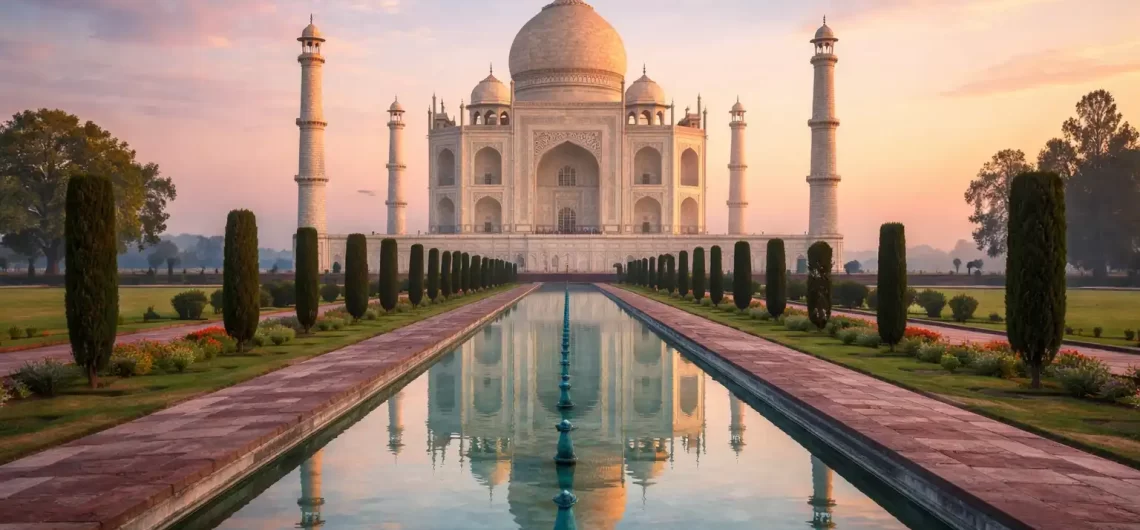
The morning golden light reflecting on the while marble as if dipped in gold, creates an enchanting visual effect at the time of sunrise. Fewer people are usually there in the morning to appreciate the monument in peace.
Sunsets are also a hit, providing a golden hour and views to die for. These hours draw more people than early morning park visits.
Special Night Viewing Experience
There is also a partial view of the Taj Mahal during the night-time for a few days in the full moon. The monument at this time looks quite peaceful, and lit by moonlight – a very special and peaceful experience.
Nighttime viewing tickets have limited capacity and require advance reservation. Travelers preferring an alternate view of the monument often favor this experience.
Crowd Management and Travel Planning
As a result, the Taj Mahal is one of the most popular tourist attractions in India, and crowd management becomes an important aspect. Crowds are also drawn to weekends, public holidays, and times of tourist activity.
The best way to avoid the long lines and crowds is to go on a weekday early in the morning. This makes your visit to the attractions less stressful and more fun!
Tips for a Comfortable Visit
Learn about the schedule and the best time to go There is two important thing that decide whether to feel comfortable during the visit or not the preparation about the tour you are planning, and how to do it or when to go can also determine a lot more. In summer, it is advised to dress lightly, whereas warm layers could be necessary on winter mornings. Visitors must walk long distances, so proper footwear is mandatory.
Having water and travel essentials can make the travel experience more enjoyable. People coming here should similarly take note of entry ways and safety measures.
Exploring Beyond the Taj Mahal
Apart from the Taj Mahal, the city of Agra has a lot to offer. Stepping aside from the main attraction will guide you to Agra Fort, Mehtab Bagh, and various city markets allowing you to learn more about the history and culture of Agra.
Itineraries help travelers optimize their visit considering several destinations within a single trip.
Expert Advice to Maximize Your Visit
While independent travel is possible, most tourists take guided tours, seeking information about the monument’s history, architecture, and cultural significance. The guided tours by professionals can sometimes bring so much depth to an individual experience that one often understands a place itself only through that lens.
Royal Taj Tour — A Travel Agency from Agra offering Travel experiences to discover the best places while exploring the Taj Mahal &more. By ensuring comfort, convenience, and a well-informed travel journey, they make the visitors not have to worry about logistics and have a hassle free trip.
Conclusion
The ideal duration of viewing the Taj Mahal varies from person to person, though, the winter months from October to March are the best time to visit as it is generally pleasant climatic conditions. Go visit it during sunrise in the early morning, that experience is the most beautiful and soothing, while the other views are during the visit in the monsoon and during the night.
A little planning with the seasonality and time of day in mind might just yield the most bang for the buck in terms of experience. For those travelers seeking a more organized and guided experience, professional travel assistance can add significant value to a visit.
A spontaneous yet planned well through trip to the taj with arrangements from services like royal taj tour gets the travelers visiting the taj to soak in the beauty of the Taj Mahal without bringing a halt to their travel regime.

Comments