<!-- wp:paragraph -->
<p>Costa Rica Parks</p>
<!-- /wp:paragraph -->
<!-- wp:paragraph -->
<p></p>
<!-- /wp:paragraph -->
<!-- wp:paragraph -->
<p></p>
<!-- /wp:paragraph -->
<p>The Costa Rica, known for its rich biodiversity, features a wide variety of national parks and protected areas. These parks are key to preserving the country’s unique ecosystems and offer visitors amazing chances for adventure and exploration.</p>
<p>The country’s <a href="https://en.wikipedia.org/wiki/National_park">national parks</a> are diverse, ranging from dense rainforests and cloud forests to arid dry forests and coastal wetlands. Each park showcases different facets of Costa Rica’s natural beauty and ecological variety.</p>
<div class="flex-shrink-0 flex flex-col relative items-end">
<div>
<div class="pt-0">
<div class="gizmo-bot-avatar flex h-8 w-8 items-center justify-center overflow-hidden rounded-full">
<div class="relative p-1 rounded-sm flex items-center justify-center bg-token-main-surface-primary text-token-text-primary h-8 w-8"> </div>
</div>
</div>
</div>
</div>
<div class="group/conversation-turn relative flex w-full min-w-0 flex-col agent-turn">
<div class="flex-col gap-1 md:gap-3">
<div class="flex max-w-full flex-col flex-grow">
<div class="min-h-[20px] text-message flex w-full flex-col items-end gap-2 break-words [.text-message+&]:mt-5 overflow-x-auto whitespace-normal" dir="auto" data-message-author-role="assistant" data-message-id="1999cd2c-2033-4a09-a0e6-f57ba893fcc0">
<div class="flex w-full flex-col gap-1 empty:hidden first:pt-[3px]">
<div class="markdown prose w-full break-words dark:prose-invert light">
<p>For example, Manuel Antonio National Park on the Pacific coast offers stunning beaches and tropical rainforests. Visitors can spot various wildlife, including monkeys, sloths, and colorful birds.</p>
</div>
</div>
</div>
</div>
</div>
</div>
<h2> Its picturesque setting makes it one of the most popular costa rica parks in the country.<img class="size-medium wp-image-1949 alignright" src="https://royaltajtour.com/wp-content/uploads/2024/08/Costa-Rica-national-parks-featured-300x149.jpg" alt="Costa Rica national parks" width="300" height="149" /></h2>
<p>Monteverde Cloud Forest Reserve is another gem, famous for its mystical mist-shrouded forests and rich biodiversity. It is a haven for birdwatchers and nature enthusiasts, offering a chance to see rare species like the resplendent quetzal. The park’s canopy tours and hanging bridges provide a unique perspective of the cloud forest’s upper reaches.</p>
<p>In contrast, Tortuguero National Park on the Caribbean coast is renowned for its extensive network of waterways and its role in sea turtle conservation. <a href="https://royaltajtour.com/product/sunrise-taj-maha…rom-delhi-by-car/">Visitors</a> can explore the park’s canals by boat, observing a wide range of wildlife, including turtles, caimans, and numerous bird species.</p>
<div class="group/conversation-turn relative flex w-full min-w-0 flex-col agent-turn">
<div class="flex-col gap-1 md:gap-3">
<div class="flex max-w-full flex-col flex-grow">
<div class="min-h-[20px] text-message flex w-full flex-col items-end gap-2 break-words [.text-message+&]:mt-5 overflow-x-auto whitespace-normal" dir="auto" data-message-author-role="assistant" data-message-id="70348293-4ff6-4a3e-805c-702d3ea2ca6f">
<div class="flex w-full flex-col gap-1 empty:hidden first:pt-[3px]">
<div class="markdown prose w-full break-words dark:prose-invert light">
<div class="group/conversation-turn relative flex w-full min-w-0 flex-col agent-turn">
<div class="flex-col gap-1 md:gap-3">
<div class="flex max-w-full flex-col flex-grow">
<div class="min-h-[20px] text-message flex w-full flex-col items-end gap-2 break-words [.text-message+&]:mt-5 overflow-x-auto whitespace-normal" dir="auto" data-message-author-role="assistant" data-message-id="6ecb5306-2d18-42d8-854f-86a7cf345c2d">
<div class="flex w-full flex-col gap-1 empty:hidden first:pt-[3px]">
<div class="markdown prose w-full break-words dark:prose-invert light">
<p>Corcovado National Park on the Osa Peninsula hosts incredible biodiversity, featuring species like jaguars and tapirs. <span style="font-size: revert; color: initial;">It offers a remote, rugged adventure for nature enthusiasts.</span></p>
</div>
</div>
</div>
</div>
</div>
</div>
</div>
</div>
</div>
</div>
</div>
</div>
<p>Costa Rica’s parks are not only crucial for conservation but also offer a range of recreational activities, such as hiking, birdwatching, and wildlife spotting. They are accessible to various levels of adventure seekers and provide well-maintained trails, informative visitor centers, and guided tours.</p>
<p>Visiting these parks allows travelers to immerse themselves in Costa Rica’s natural beauty while supporting conservation efforts and appreciating the country’s commitment to preserving its extraordinary biodiversity</p>
<!-- wp:paragraph -->
<p></p>
<!-- /wp:paragraph -->
Costa Rica Parks
The Costa Rica, known for its rich biodiversity, features a wide variety of national parks and protected areas. These parks are key to preserving the country’s unique ecosystems and offer visitors amazing chances for adventure and exploration.
The country’s national parks are diverse, ranging from dense rainforests and cloud forests to arid dry forests and coastal wetlands. Each park showcases different facets of Costa Rica’s natural beauty and ecological variety.
For example, Manuel Antonio National Park on the Pacific coast offers stunning beaches and tropical rainforests. Visitors can spot various wildlife, including monkeys, sloths, and colorful birds.
Its picturesque setting makes it one of the most popular costa rica parks in the country.
Monteverde Cloud Forest Reserve is another gem, famous for its mystical mist-shrouded forests and rich biodiversity. It is a haven for birdwatchers and nature enthusiasts, offering a chance to see rare species like the resplendent quetzal. The park’s canopy tours and hanging bridges provide a unique perspective of the cloud forest’s upper reaches.
In contrast, Tortuguero National Park on the Caribbean coast is renowned for its extensive network of waterways and its role in sea turtle conservation. Visitors can explore the park’s canals by boat, observing a wide range of wildlife, including turtles, caimans, and numerous bird species.
Corcovado National Park on the Osa Peninsula hosts incredible biodiversity, featuring species like jaguars and tapirs. It offers a remote, rugged adventure for nature enthusiasts.
Costa Rica’s parks are not only crucial for conservation but also offer a range of recreational activities, such as hiking, birdwatching, and wildlife spotting. They are accessible to various levels of adventure seekers and provide well-maintained trails, informative visitor centers, and guided tours.
Visiting these parks allows travelers to immerse themselves in Costa Rica’s natural beauty while supporting conservation efforts and appreciating the country’s commitment to preserving its extraordinary biodiversity
<!-- wp:paragraph -->
<p>Stay Safe in Jungle</p>
<!-- /wp:paragraph -->
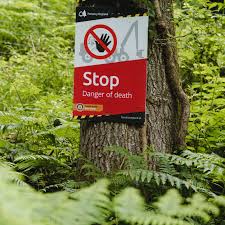
<p>Venturing into the jungle offers a unique and exhilarating experience, but it also requires careful preparation to ensure safety. Dense forests, diverse wildlife, and unpredictable weather present challenges that can be managed with the right <a href="https://www.merriam-webster.com/dictionary/precaution">precautions</a>. Here’s a guide to staying safe during your jungle adventure.<img class="size-full wp-image-1970 alignright" src="https://royaltajtour.com/wp-content/uploads/2024/08/images.jpg" alt="Stay Safe in Jungle" width="225" height="225" /></p>
<h2><strong>1. Preparation and Planning</strong></h2>
<p>Before heading into the jungle, thorough planning is essential. Research the area you’ll be exploring to understand the local wildlife, terrain, and weather conditions. Inform someone about your itinerary and expected return time. Obtain necessary permits and check for any travel advisories related to the region.</p>
<h2><strong>2. Proper Gear and Clothing</strong></h2>
<p>Wear appropriate clothing to protect yourself from insects, plants, and weather conditions. Long-sleeved shirts, long pants, and sturdy boots are crucial. Choose moisture-wicking and quick-drying fabrics to stay comfortable. A wide-brimmed hat and UV-protection sunglasses are also beneficial. Use insect repellent to guard against bites from mosquitoes and other insects.</p>
<h2><strong>3. Navigation and Communication</strong></h2>
<p>Carry a reliable map, compass, or GPS device to navigate through the dense jungle. Mobile phone reception may be limited, so having a backup communication device or a satellite phone is advisable. Stay on marked trails when possible to avoid getting lost.</p>
<h2><strong>4. Wildlife Awareness</strong></h2>
<p>Jungle environments are home to diverse wildlife, including potentially dangerous animals. Learn about the local fauna and how to respond if you encounter them. Maintain a safe distance from animals and avoid feeding them. Be cautious with snakes, spiders, and insects, as some may be venomous.</p>
<h2><strong>5. Safety Protocols</strong></h2>
<p>Always travel with a guide or a group for safety. They can offer valuable insights and help navigate the terrain. Carry a basic first-aid kit and know how to use it. If you’re not familiar with treating injuries or illnesses specific to the jungle, seek professional advice before your trip.</p>
<h2><strong>6. Environmental Responsibility</strong></h2>
<p>Respect the natural environment by minimizing your impact. Avoid disturbing wildlife and follow the “leave no trace” principles. Dispose of waste properly and stick to established trails to preserve the jungle’s delicate ecosystem.</p>
<p>By following these safety guidelines and preparing adequately, you can enjoy your jungle adventure while minimizing risks and ensuring a memorable, safe experience</p>
Stay Safe in Jungle
Venturing into the jungle offers a unique and exhilarating experience, but it also requires careful preparation to ensure safety. Dense forests, diverse wildlife, and unpredictable weather present challenges that can be managed with the right precautions. Here’s a guide to staying safe during your jungle adventure.
1. Preparation and Planning
Before heading into the jungle, thorough planning is essential. Research the area you’ll be exploring to understand the local wildlife, terrain, and weather conditions. Inform someone about your itinerary and expected return time. Obtain necessary permits and check for any travel advisories related to the region.
2. Proper Gear and Clothing
Wear appropriate clothing to protect yourself from insects, plants, and weather conditions. Long-sleeved shirts, long pants, and sturdy boots are crucial. Choose moisture-wicking and quick-drying fabrics to stay comfortable. A wide-brimmed hat and UV-protection sunglasses are also beneficial. Use insect repellent to guard against bites from mosquitoes and other insects.
3. Navigation and Communication
Carry a reliable map, compass, or GPS device to navigate through the dense jungle. Mobile phone reception may be limited, so having a backup communication device or a satellite phone is advisable. Stay on marked trails when possible to avoid getting lost.
4. Wildlife Awareness
Jungle environments are home to diverse wildlife, including potentially dangerous animals. Learn about the local fauna and how to respond if you encounter them. Maintain a safe distance from animals and avoid feeding them. Be cautious with snakes, spiders, and insects, as some may be venomous.
5. Safety Protocols
Always travel with a guide or a group for safety. They can offer valuable insights and help navigate the terrain. Carry a basic first-aid kit and know how to use it. If you’re not familiar with treating injuries or illnesses specific to the jungle, seek professional advice before your trip.
6. Environmental Responsibility
Respect the natural environment by minimizing your impact. Avoid disturbing wildlife and follow the “leave no trace” principles. Dispose of waste properly and stick to established trails to preserve the jungle’s delicate ecosystem.
By following these safety guidelines and preparing adequately, you can enjoy your jungle adventure while minimizing risks and ensuring a memorable, safe experience