
Introduction
Choosing the best time to visit the Taj Mahal can completely transform your travel experience. This iconic monument in Agra attracts millions of visitors every year, but the weather, crowd levels, and time of day can make a huge difference in how you enjoy it. Whether you want perfect photos, pleasant weather, or a peaceful visit, timing matters more than most travelers realize.
This Taj Mahal travel guide breaks down every season, month, and time of day so you can plan your trip with confidence. You’ll also find practical tips, nearby attractions, FAQs, and a sample itinerary to make your Agra trip smooth and memorable.
Why Visit the Taj Mahal?
The Taj Mahal is not just a monument—it’s a masterpiece of love, architecture, and craftsmanship. Built by Emperor Shah Jahan in memory of his wife Mumtaz Mahal, it stands as one of the world’s most admired UNESCO World Heritage Sites.
Here’s why travelers from around the globe dream of visiting:
Its white marble changes color with sunlight
The symmetry and detailing are unmatched
It’s one of the New Seven Wonders of the World
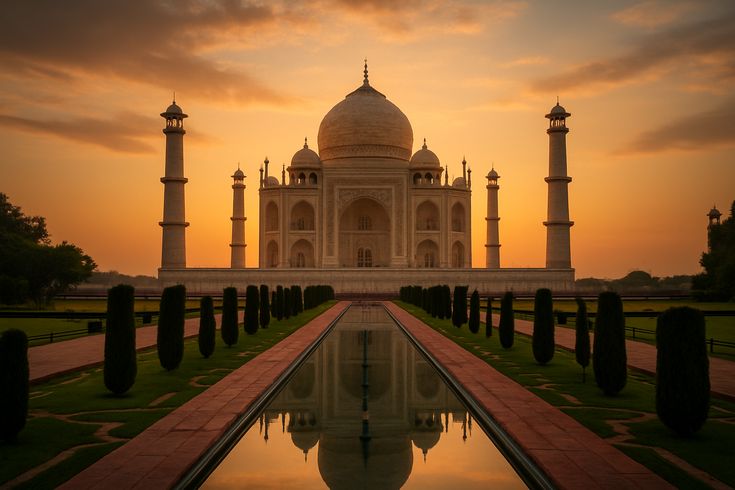
The gardens, reflecting pools, and minarets create a magical atmosphere
It offers incredible photography opportunities at sunrise and sunset
If you want to explore more about its history, try Taj Mahal facts or Agra tourism.
Best Time to Visit the Taj Mahal (Ideal Months)
The best season to visit the Taj Mahal is winter, from October to March. These months offer pleasant weather, clear skies, and comfortable sightseeing conditions.
Why Winter Is Ideal
Temperatures range between 10°C and 25°C
Perfect for photography
Low humidity
Comfortable for walking around the complex
Better visibility for sunrise and sunset views
If you prefer fewer crowds, October, February, and March are excellent choices.
Taj Mahal in Winter (October to March)
Weather
Winter brings cool, pleasant weather. Mornings can be slightly foggy in December and January, but the fog often adds a dreamy effect to photos.
Crowd
This is peak tourist season, so expect more visitors—especially around Christmas and New Year.
Photography
Winter light is soft and golden, making it perfect for capturing the marble glow.
Pros
Best weather of the year
Ideal for sunrise and sunset photography
Comfortable for long walks
Great visibility
Cons
Higher crowd levels
Hotel prices may increase
Foggy mornings in December–January
If you want to explore more about winter travel, check Winter in Agra
Taj Mahal in Summer (April to June)
Weather
Summer in Agra is extremely hot, with temperatures often crossing 40°C.
Crowd
Surprisingly, summer has fewer tourists because of the heat.
Pros
Less crowd
Easier to take photos without people in the frame
Lower hotel prices
Cons
Harsh sunlight
High temperatures
Difficult to explore during midday
Tips for Visiting in Summer
Visit at sunrise or sunset
Carry water and sunscreen
Wear light cotton clothes
Avoid afternoons
If you want more seasonal insights, explore Taj Mahal weather.
Taj Mahal in Monsoon (July to September)
Weather
Monsoon brings rain, humidity, and lush greenery around the Taj Mahal.
Scenic Beauty
The marble looks stunning against cloudy skies, and the gardens appear fresh and vibrant.
Pros
Beautiful dramatic skies
Fewer tourists
Cooler than summer
Cons
Sudden rain showers
Slippery pathways
Humidity
Photography Opportunities
Monsoon offers unique photography conditions—reflections, clouds, and greenery make your shots stand out.

Best Time of Day to Visit
Sunrise Visit
Sunrise is the best time of day to visit the Taj Mahal. The marble glows pink, the air is cool, and crowds are minimal.
Morning Visit
Great for photography and comfortable weather.
Afternoon Visit
Avoid midday due to harsh sunlight and heat.
Sunset Visit
The Taj Mahal turns golden during sunset—perfect for romantic photos.
Night Viewing
Night viewing is allowed only on full moon nights and two days before and after the full moon. Tickets must be booked in advance.
Explore more: Sunrise at Taj Mahal or Sunset view Taj Mahal.
Taj Mahal Weather by Season (Table)
| Season | Months | Temperature | Crowd Level | Recommendation |
|---|---|---|---|---|
| Winter | Oct–Mar | 10°C–25°C | High | Best |
| Summer | Apr–Jun | 30°C–45°C | Low | Visit at sunrise |
| Monsoon | Jul–Sep | 25°C–35°C | Moderate | Good for photography |
Travel Tips for Visiting the Taj Mahal
Here are 15 practical Taj Mahal travel tips:
-
Arrive early
-
Wear comfortable shoes
-
Carry water
-
Avoid weekends
-
Use the East Gate for fewer crowds
-
Keep your ID proof
-
Dress comfortably
-
Carry a hat or umbrella
-
Hire a guide if needed
-
Respect monument rules
-
Avoid carrying food inside
-
Keep your phone charged
-
Use official ticket counters
-
Stay hydrated
-
Explore nearby attractions
Nearby Tourist Attractions
Agra Fort
A UNESCO World Heritage Site offering stunning Mughal architecture.
Mehtab Bagh
Perfect for sunset views of the Taj Mahal from across the Yamuna River.
Itmad-ud-Daulah (Baby Taj)
A beautiful marble tomb often considered a draft of the Taj Mahal.
Fatehpur Sikri
A historic Mughal city located about 40 km from Agra.
Explore more: Agra Fort Mehtab Bagh Itmad-ud-Daulah Fatehpur Sikri

Comments